

Verify People, Not Passwords
Our verifiable credential orchestration platform allows your organization to create, issue, verify, accept, and manage decentralized digital identities without custom coding.
It enables passwordless authentication, identity verification, compliance checks, and trust-based access for employees, customers, partners, and citizens.
The platform activates Microsoft Entra Verified ID to eliminate traditional credentials like usernames, passwords, and shared identity databases while reducing PII exposure and identity fraud risk.
Request a DemoWhy Verified Credentials Are Essential
Attackers don’t break in through infrastructure; they log in through compromised credentials. Verified credentials eliminate shared passwords and deliver phishing-resistant identity assurance.
These examples illustrate how organizations utilize the platform to simplify identity verification, enhance security, and streamline access for employees, partners, and customers.
-
Passwordless Authentication
Replace passwords and OTP codes with cryptographic identity verification. Users log in by proving who they are, not by sharing secrets that can be phished or reused. -
Secure Account Recovery
Eliminate vulnerable recovery links and knowledge-based questions by requiring verified identity proof before restoring access. This closes one of the most exploited attack paths. -
Help Desk Identity Verification
Allow support teams to instantly verify a user’s identity during sensitive requests. Reduce social engineering risk while shortening call resolution time.
-
High-Risk Transaction Authorization
Require step-up identity verification before approving sensitive actions such as payment changes, privilege escalation, or data exports. -
Privileged Access Control
Add strong identity proof before granting administrative or elevated system access. Ensure high-risk permissions are tied to verified individuals. -
Phishing-Resistant Login for Remote Workforce
Protect distributed users with authentication that cannot be intercepted or replayed, reducing exposure from remote access and unmanaged networks. -
Third-Party & Contractor Verification
Allow external users to prove identity or role attributes without creating permanent internal accounts or storing unnecessary PII. -
Continuous Identity Verification
Re-verify identity during a session when risk increases, such as unusual behavior or sensitive workflow triggers, instead of relying on a single login event. -
Attribute-Based Access Decisions
Grant access based on verified claims (role, certification, location, status) rather than static account permissions. -
Fraud & Impersonation Prevention
Prevent unauthorized account updates, financial changes, or service modifications by requiring cryptographic identity proof. -
Audit-Ready Identity Assurance
Generate tamper-evident records proving who performed a transaction or accessed a system, supporting compliance and internal investigations. -
Cross-Organization Trust
Accept verified credentials from trusted issuers to enable secure collaboration without duplicating identity management systems.
Why Choose CampusGuard as Your Verified Credentials Partner?
Organizations need identity security that strengthens protection without slowing users or operations. Our platform reduces risk, simplifies compliance, and enhances access experiences simultaneously.

Trust Instead of Passwords
Eliminate passwords and shared secrets by verifying cryptographic credentials, dramatically reducing phishing, account takeover, and identity fraud risk.

Instant Compliance Proof
Replace manual documentation checks with real-time verifiable identity and eligibility validation that produces audit-ready evidence automatically.

Seamless Digital Experiences
Users authenticate once with a trusted credential and securely access systems, facilities, and services without repeated onboarding or verification steps.
Solutions to Help You Operate Verified Credentials
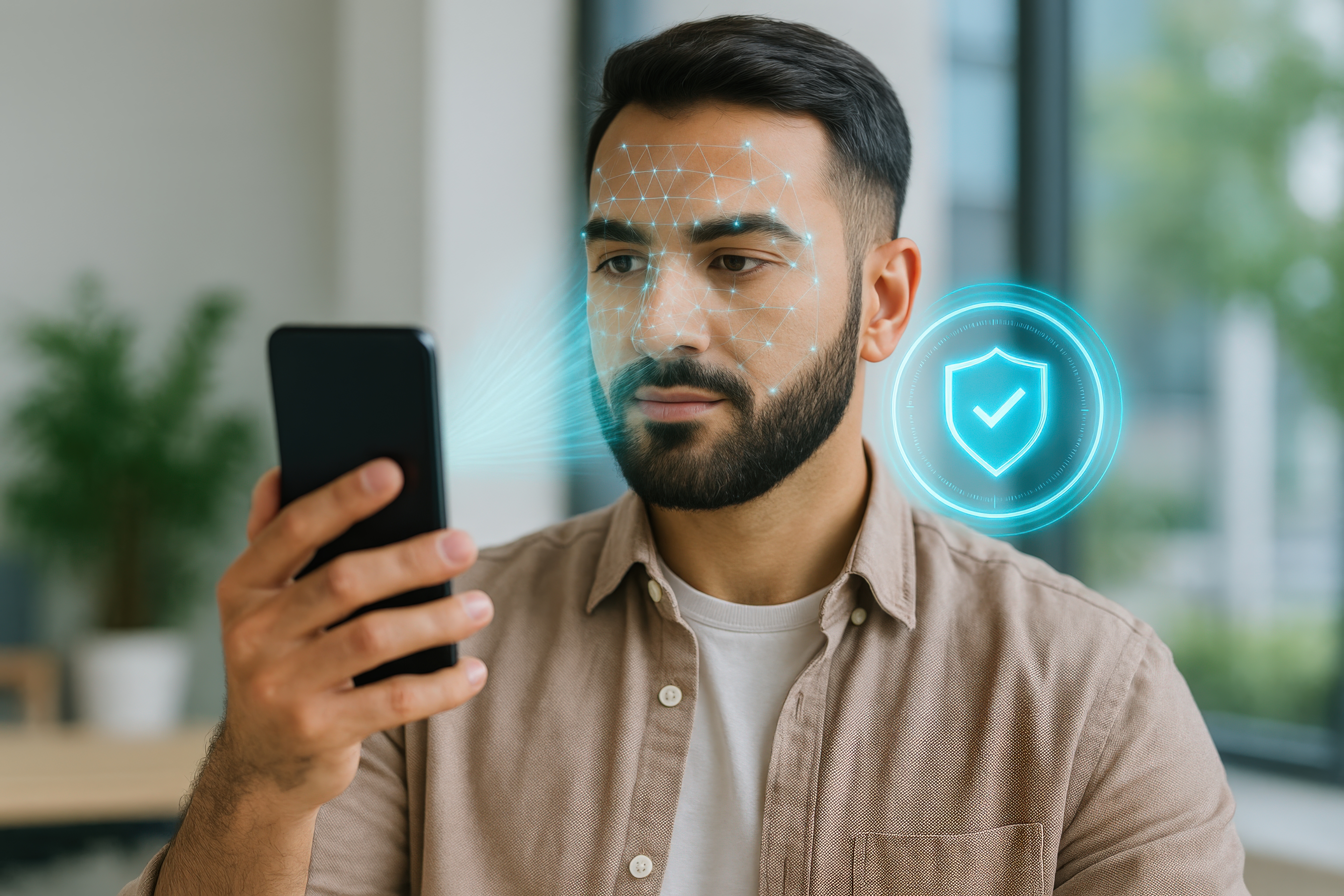
Verifiable Credential Issuance
Create and issue secure digital credentials that users store in their identity wallet and present when needed. Credentials are cryptographically signed to prevent forgery and eliminate paper or badge management.
Create trusted digital credentials such as:
- Employee ID
- Student ID
- Contractor badges
- Membership cards
- Certifications & licenses
- Right-to-work verification
- Access permits
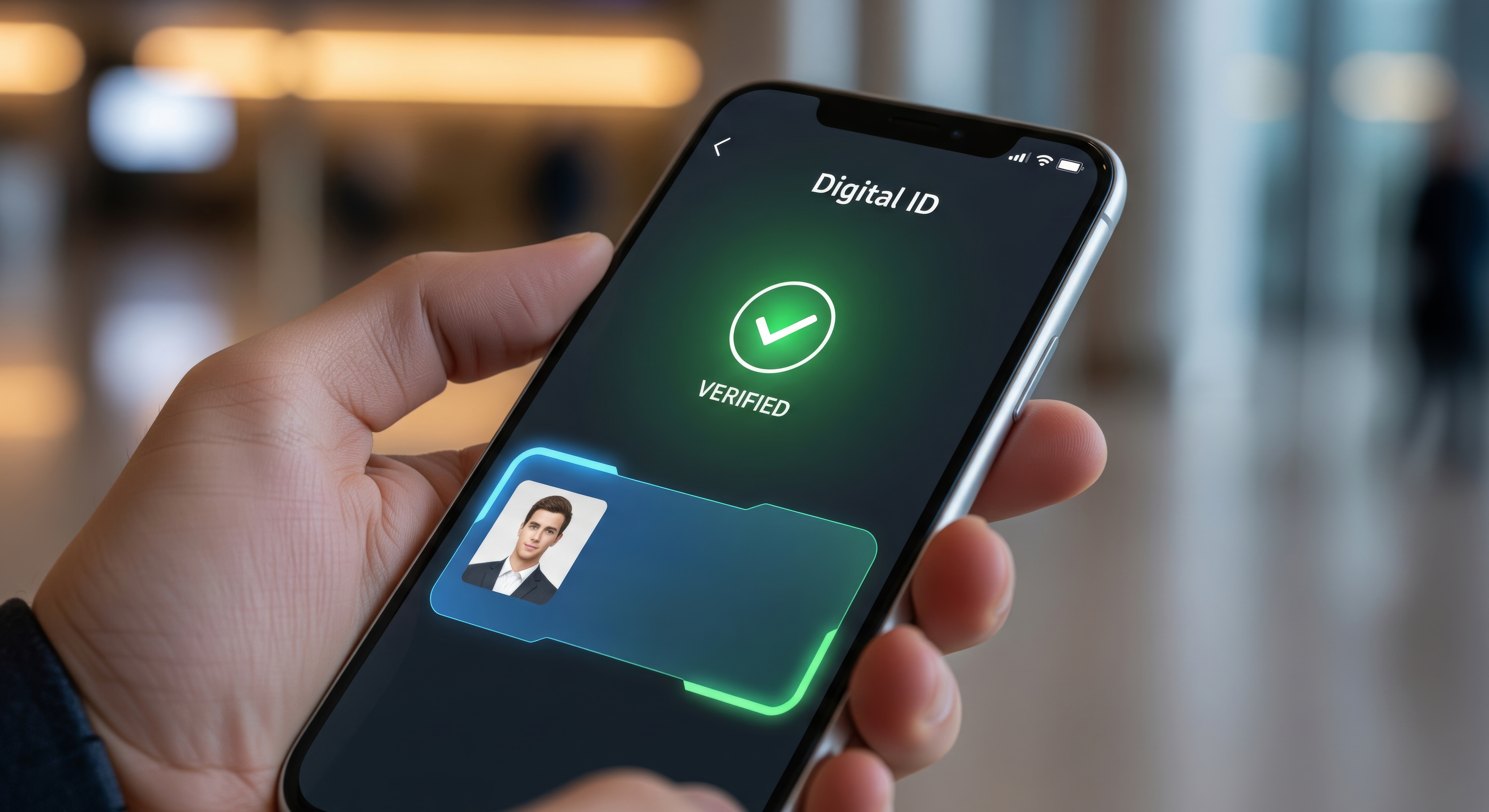
Identity Verification & Authentication
Enable passwordless authentication and identity proofing using trusted digital credentials instead of usernames, passwords, or OTP codes. Users securely verify their identity across applications, facilities, and services with a single trusted interaction.
Passwordless login and identity proofing:
- Mobile identity wallet authentication
- Multi-factor without OTP fatigue
- Know-Your-Person verification
- Remote onboarding identity checks
- Secure facility access

Compliance & Eligibility Validation
Automatically verify training, employment eligibility, licensing, or regulatory requirements in real time. Organizations receive audit-ready proof without manually collecting or storing sensitive documentation.
Automated compliance validation:
- Employment eligibility
- Contractor compliance
- Training certification checks
- Regulatory eligibility validation
- Audit-ready identity proofing
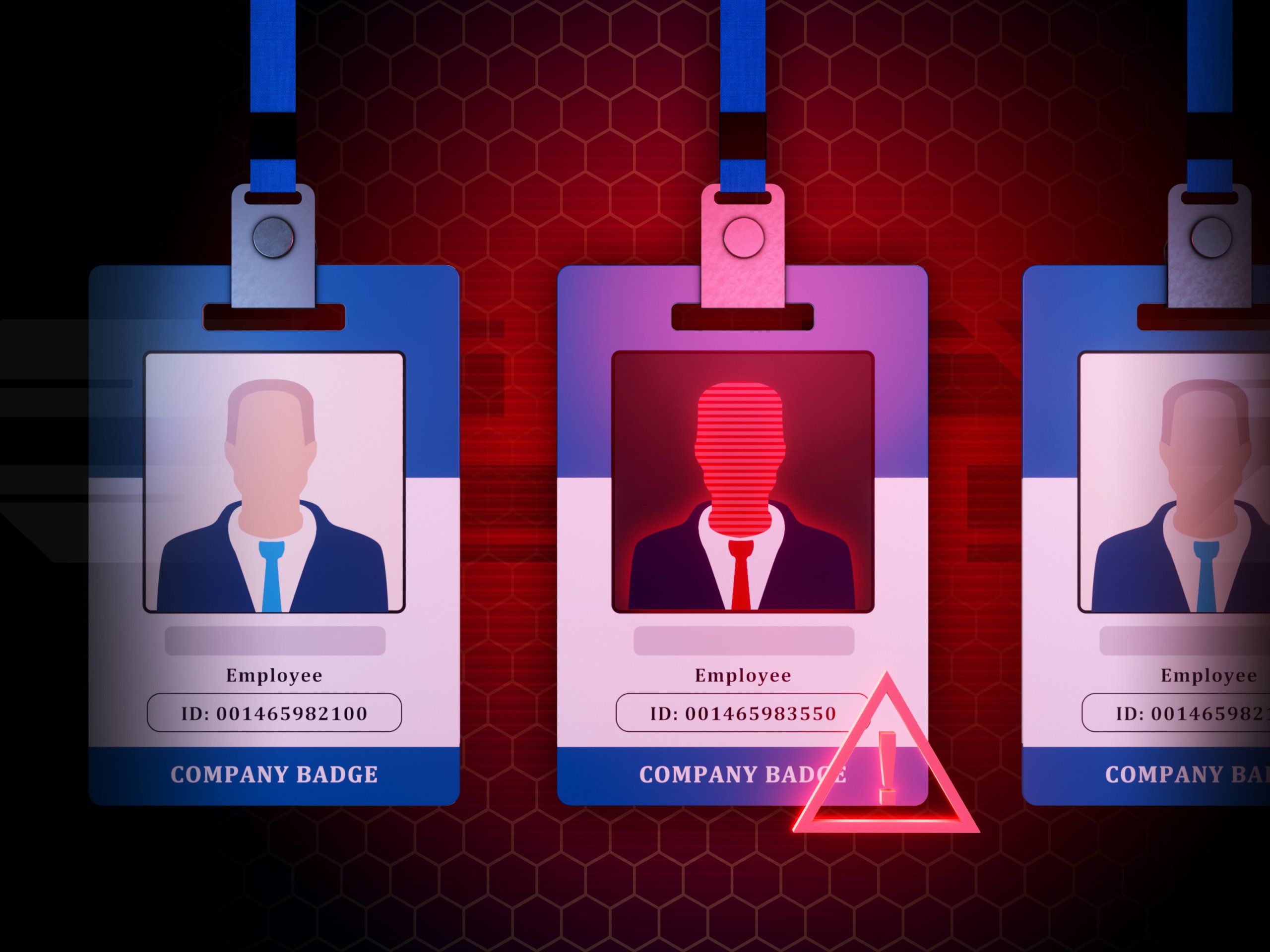
Access & Authorization Orchestration
Grant or deny system and facility access based on verified trust signals such as role, certification status, or affiliation. Policies dynamically enforce least-privilege access for employees, partners, and visitors.
Context-aware trust decisions:
- Physical access control
- Application login authorization
- Vendor & partner access
- Conditional access policies
- Role-based trust levels

Integration & Identity Orchestration
Connect identity verification into existing workflows, including HR, onboarding, visitor management, and application login. The platform orchestrates identity across systems without custom development.
Integration-first architecture:
- Azure/Entra identity integration
- HRIS integration
- LMS/Training systems
- Visitor management
- Customer onboarding workflows

Audit, Reporting & Governance
Track credential lifecycle, verification events, and access history for compliance reporting and security monitoring. Built-in logs provide defensible audit evidence and reduce investigation time.
Enterprise identity governance:
- Credential lifecycle tracking
- Access history logging
- Compliance reporting
- Fraud detection signals
- Security audit evidence
Secure Identity Without the Complexity
Implementing our verified credentials platform minimizes identity fraud, removes password-driven support tickets, and delivers audit-ready verification automatically. Organizations strengthen trust while speeding onboarding, access decisions, and digital service usage for employees, partners, and customers. Here are the benefits of adopting verified credentials:
-
Enhanced Security
Eliminate passwords and centralized identity storage, reducing phishing, account takeovers, and identity fraud across the organization.
-
Streamlined Operations
Automate credential issuance and verification, cutting helpdesk workload and removing manual steps from onboarding and compliance processes. -
Seamless User Access
Provide passwordless, mobile-first authentication with reusable verified credentials, enabling smooth access across systems and services. -
Business Impact
Lower support costs, accelerates partner and customer onboarding, and strengthens trust across every digital interaction. -
Data Privacy & Compliance
Limit the storage of personal information by enabling users to control their own credentials, helping organizations meet privacy regulations and reduce audit risk.
-
Scalability & Future-Proofing
With flexible integration and decentralized identity support, the platform scales effortlessly across employees, partners, and customers while adapting to evolving security and regulatory requirements.
Modern Identity Protection That Scales
Protect your organization with a flexible, scalable identity platform that secures employees, partners, and customers while adapting to evolving security and compliance needs.
Top Verified Credentials FAQs
Verified credentials, also known as verifiable credentials, are digital, cryptographically secure credentials that prove someone’s identity or attributes, without relying on passwords or shared secrets.
Think of them like a digital driver’s license stored in a secure wallet on your device. Instead of typing a password, you present a credential that has been:
-
Issued by a trusted authority
-
Cryptographically signed
-
Verified in real time
-
Resistant to phishing and replay attacks
Verified credentials work by using cryptographic signatures issued by a trusted authority to prove a person’s identity digitally, allowing systems to verify authenticity without relying on passwords or shared secrets.
-
Issuance
A trusted organization (like a university or employer) issues a digital credential to your secure wallet. -
Storage
The credential is stored on your device, not in a centralized password database. -
Presentation
When logging in, you present proof of your credentials instead of entering a password. -
Verification
The system verifies the cryptographic signature, confirming authenticity without exposing sensitive data.
With SSO:
-
You still log in with a password (often plus MFA)
-
Authentication is centralized through an identity provider
-
Applications trust the provider
SSO improves convenience, but it still depends on traditional authentication methods.
Traditional MFA still relies on:
-
Something you know (password)
-
Something you have (code)
Verified credentials replace the password entirely. Authentication is based on cryptographic proof of identity, not something that can be guessed or phished.
- Password fatigue
- Identity fraud
- Manual onboarding
- Compliance verification
- Vendor trust validation