- Services
- Products
-
-
- Online Training
- Information Security Awareness Training Course
- PCI DSS Compliance Bundle
- GLBA Awareness Training Course
- CMMC Training Course
- HIPAA Awareness Training Course
- Data Privacy Training Course
- Payments Security Training Course
- Phishing Awareness Training Course
- GDPR Training Course
- FERPA Training Course
- FACTA Training Course
- Online Training
-
- Compliance
- Markets
- Insights
- About
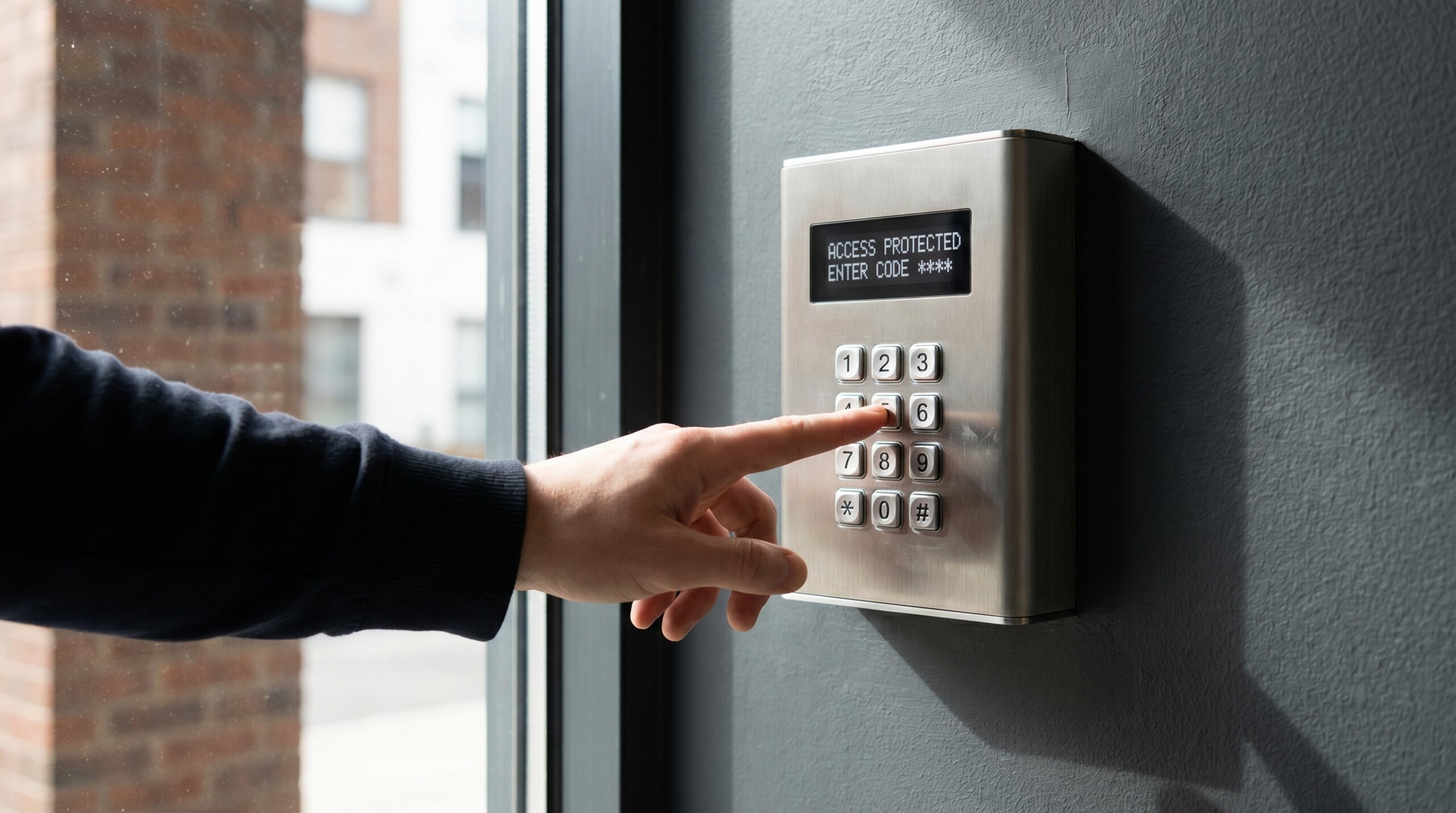
Physical security best practices are an essential part of a strong overall security strategy. While cybersecurity often receives significant attention, organizations can still face serious risks if unauthorized individuals gain physical access to buildings, equipment, sensitive records, or critical technology infrastructure.
For colleges, universities, and other campus environments, physical security can be especially challenging. Campuses often include multiple buildings, such as residence halls, classrooms, student union centers, dining halls, and libraries. Students, faculty, staff, contractors, vendors, and visitors may move throughout these facilities every day.
Effective physical security requires more than locked doors and security cameras. It involves identifying risks, controlling access, protecting critical assets, training employees, and regularly reviewing security practices. By implementing strong physical security best practices, institutions can reduce the risk of unauthorized access, theft, vandalism, data exposure, and operational disruptions.
Why Physical Security Matters
Physical security refers to the measures taken to protect people, facilities, equipment, and other physical assets from unauthorized access, damage, theft, and disruption. This can involve multiple layers of interdependent systems designed to deter, detect, delay, and respond to potential threats.
In 2024, a university undergraduate faced two felony charges and one misdemeanor after allegedly cloning key fobs, which allowed him to unlock doors and gain access to restricted areas for several months.
Strong physical security controls can help protect students, faculty, staff, visitors, buildings, restricted areas, servers, network infrastructure, technology assets, sensitive documents, and critical operational systems.
Physical security and cybersecurity are also closely connected. An unauthorized individual who gains access to a server room, office, or unattended workstation may be able to steal equipment, access sensitive information, install malicious devices, or disrupt critical systems.
Because of this, physical security should be viewed as an important layer of an institution’s overall security program. Here are some actionable steps to help protect the physical security of your campus:
Conduct Regular Physical Security Assessments
One of the most important physical security best practices is conducting regular risk assessments. A physical security assessment, or physical penetration test, helps identify vulnerabilities and determine where additional controls may be needed.
Security teams or a third-party pen testing company should evaluate areas such as building entrances and exits, door and lock conditions, security camera coverage, access to server rooms and network closets, storage areas containing sensitive records, and emergency exits.
These assessments should not be treated as a one-time activity. Facilities change, technology evolves, and security threats can evolve over time. Regular assessments help ensure physical security controls continue to meet the institution’s needs.
Campus environments may also require different levels of protection depending on the facility. A public library, administrative office, research laboratory, and data center may all have unique risks and security requirements. Identifying these differences allows institutions to prioritize resources and apply stronger controls where they are needed most.
Implement Strong Access Control
Access controls are a critical component of physical security. Individuals should only have access to the buildings and areas necessary for their roles and responsibilities.
Common physical access controls include physical keys, key cards or fobs, mobile credentials, PIN codes, biometric authentication, and electronic access control systems.
Institutions should follow the principle of least privilege whenever possible. This means employees, students, contractors, and other individuals should only receive the access required for legitimate purposes. Limiting unnecessary access reduces the number of people who could potentially enter sensitive or restricted areas.
Access permissions should also be reviewed regularly. When an employee changes roles, graduates, leaves the institution, or no longer requires access to a facility, permission should be updated or removed promptly.
Electronic access logs can also provide valuable information during investigations by helping security teams determine who entered a restricted area and when.
Secure Sensitive Areas and Critical Infrastructure
Some areas require additional physical security because they contain sensitive information or critical technology.
These may include data centers, server rooms, network closets, research laboratories, records storage rooms, human resources offices, and financial offices.
These locations should not be accessible to the public or to employees who do not require access. Additional security controls may include restricted access lists, security cameras, alarm systems, visitor escorts, and access logging.
Server rooms and network closets deserve particular attention. Unauthorized physical access could allow an individual to steal equipment, disconnect systems, connect rogue devices, or disrupt operations.
Securing critical infrastructure helps protect both physical assets and the technology systems that support the campus. Security teams should regularly inspect these areas to ensure doors remain locked, access lists remain current, and equipment is properly protected.
Establish Clear Visitor Management Procedures
Visitors can create physical security risks if there is no consistent process for monitoring facility access.
A visitor management process should outline how visitors are identified, registered, approved, issued temporary credentials, and escorted when necessary. Institutions should also maintain appropriate records of when visitors enter and leave sensitive facilities.
Visitor badges can help employees and security personnel quickly identify individuals who do not have regular access to a building.
For colleges and universities, visitor management can be more complex because campuses are often designed to be accessible to prospective students, families, guests, and community members. Not every facility requires the same restrictions, but institutions should clearly identify which areas are open to the public and which areas require authorization.
Consistent visitor management procedures can help institutions maintain an accessible campus environment while reducing unnecessary security risks.
Prevent Tailgating and Piggybacking
Tailgating and piggybacking occur when an unauthorized individual enters a restricted area by following an authorized person through a secured entrance.
For example, someone may hold a secure door open for another person without confirming whether that individual has authorization to enter. Although this may seem harmless, it can create significant security risks.
Institutions can reduce tailgating by educating employees and students, using access-controlled doors, requiring individuals to use their own credentials, posting reminders near restricted entrances, and encouraging the reporting of suspicious activity.
Physical security awareness should extend beyond cybersecurity. Employees and students should understand that protecting facilities and sensitive areas is a shared responsibility. Creating a culture where individuals feel comfortable questioning unusual behavior can help prevent unauthorized access and social engineering attacks.
Use Security Cameras Strategically
Security cameras can help deter unauthorized activity, support investigations, and improve situational awareness. However, cameras should be placed strategically based on identified risks rather than installed without a clear purpose.
Areas that may benefit from video surveillance include building entrances and exits, restricted facilities, parking areas, data centers, server rooms, and equipment storage areas.
Institutions should also establish procedures for protecting and retaining video footage. Security recordings may contain sensitive information and should only be accessible to authorized personnel.
Video surveillance should be part of a larger physical security strategy rather than the only control used to protect facilities. Cameras can provide valuable visibility, but they are most effective when combined with strong access controls, monitoring procedures, and incident response plans.
Protect Physical Assets and Equipment
Laptops, mobile devices, servers, research equipment, and other physical assets can contain sensitive information or represent significant financial investments. Students need guidance on how to protect their physical assets from threats.
Institutions should maintain accurate inventories and establish procedures for protecting critical equipment. This may include locking unattended offices, securing portable devices, tracking equipment assignments, securing storage rooms, and reporting lost or stolen equipment promptly.
Employees should also lock their workstations when stepping away, even for a short period. An unattended and unlocked device can create both physical and cybersecurity risks.
Clear procedures should also be in place for recovering equipment and accessing credentials from departing employees or students when appropriate. Proper asset management reduces the risk of equipment being lost, stolen, or left accessible after an individual’s relationship with the institution ends.
Improve Physical Security Awareness
Technology and policies are important, but people remain one of the most important components of physical security.
Employees should understand how their actions can affect the security of facilities and information. Physical security awareness training should address topics such as tailgating and piggybacking, reporting suspicious individuals, securing workstations, protecting access credentials, following visitor procedures, reporting lost keys or badges, and keeping restricted areas secure.
For colleges and universities, security awareness efforts may also include faculty, students, contractors, and other members of the campus community.
Training should be ongoing rather than limited to onboarding. Regular reminders and awareness campaigns can reinforce physical security best practices throughout the year.
A strong security culture encourages people to recognize potential risks and report concerns instead of assuming that someone else will handle the issue.
Establish Clear Incident Reporting Procedures
Employees and students should know how to identify and report physical security concerns.
This may include suspicious individuals, unauthorized access attempts, lost or stolen access cards, propped-open doors, damaged locks, missing equipment, or unusual activity near restricted areas.
Institutions should maintain a documented incident response plan that addresses a range of physical security scenarios and outlines appropriate response steps.
Reporting procedures should be easy to understand and readily available. Security teams should also document and review incidents to identify recurring patterns or areas of concern.
For example, repeated reports involving unauthorized access to a specific building may indicate the need for additional security controls, improved access management, or changes to facility procedures.
Clear reporting processes help turn individual observations into actionable security information and allow institutions to address risks before they lead to larger incidents.
Develop a Layered Physical Security Strategy
The most effective physical security programs use multiple layers of protection rather than relying on a single control.
A layered approach may include perimeter security, adequate lighting, locks and physical barriers, access control systems, security cameras, visitor management, security awareness training, and incident reporting procedures.
No single security control can eliminate every risk. A layered strategy helps ensure that if one control fails, additional protections remain in place.
An access control system may prevent unauthorized entry, while security cameras provide visibility; employee awareness helps identify suspicious behavior; and incident response procedures guide the institution’s actions if an event occurs.
This approach creates a stronger and more resilient security environment while helping institutions address both physical and cybersecurity risks.
Strengthen Your Campus Physical Security
Effective physical security requires more than locks and cameras. Institutions must understand their risks, control access to sensitive areas, protect critical assets, train their community, and regularly evaluate whether security measures are working.
For colleges and universities, physical security is especially important because campuses must balance accessibility with the need to protect people, facilities, technology, and sensitive information.
Implementing effective physical security best practices can help colleges and universities reduce the risk of unauthorized access, theft, operational disruption, and cybersecurity incidents.
A proactive and layered approach helps create a stronger security posture and supports a safer campus environment.
Contact CampusGuard to learn how your institution can better identify security risks, protect critical assets, and build a more resilient security environment.
We’d love to partner with you to provide physical pen testing and security awareness training. Contact us to learn more and get started!
Frequently Asked Questions About Physical Security Best Practices
What are physical security best practices?
Physical security best practices are policies, procedures, and controls designed to protect people, facilities, equipment, information, and other physical assets from unauthorized access, theft, damage, and disruption.
What are the most important physical security measures?
Common physical security measures include access control systems, locks, security cameras, alarms, visitor management, adequate lighting, security awareness training, and regular physical security risk assessments.
Why is physical security important for colleges and universities?
Colleges and universities have complex environments with numerous buildings, large populations, valuable equipment, sensitive information, and varying access requirements. Strong physical security helps protect people and assets while reducing the risk of unauthorized access and disruption.