- Services
- Products
-
-
- Online Training
- Information Security Awareness Training Course
- PCI DSS Compliance Bundle
- GLBA Awareness Training Course
- CMMC Training Course
- HIPAA Awareness Training Course
- Data Privacy Training Course
- Payments Security Training Course
- Phishing Awareness Training Course
- GDPR Training Course
- FERPA Training Course
- FACTA Training Course
- Online Training
-
- Compliance
- Markets
- Insights
- About
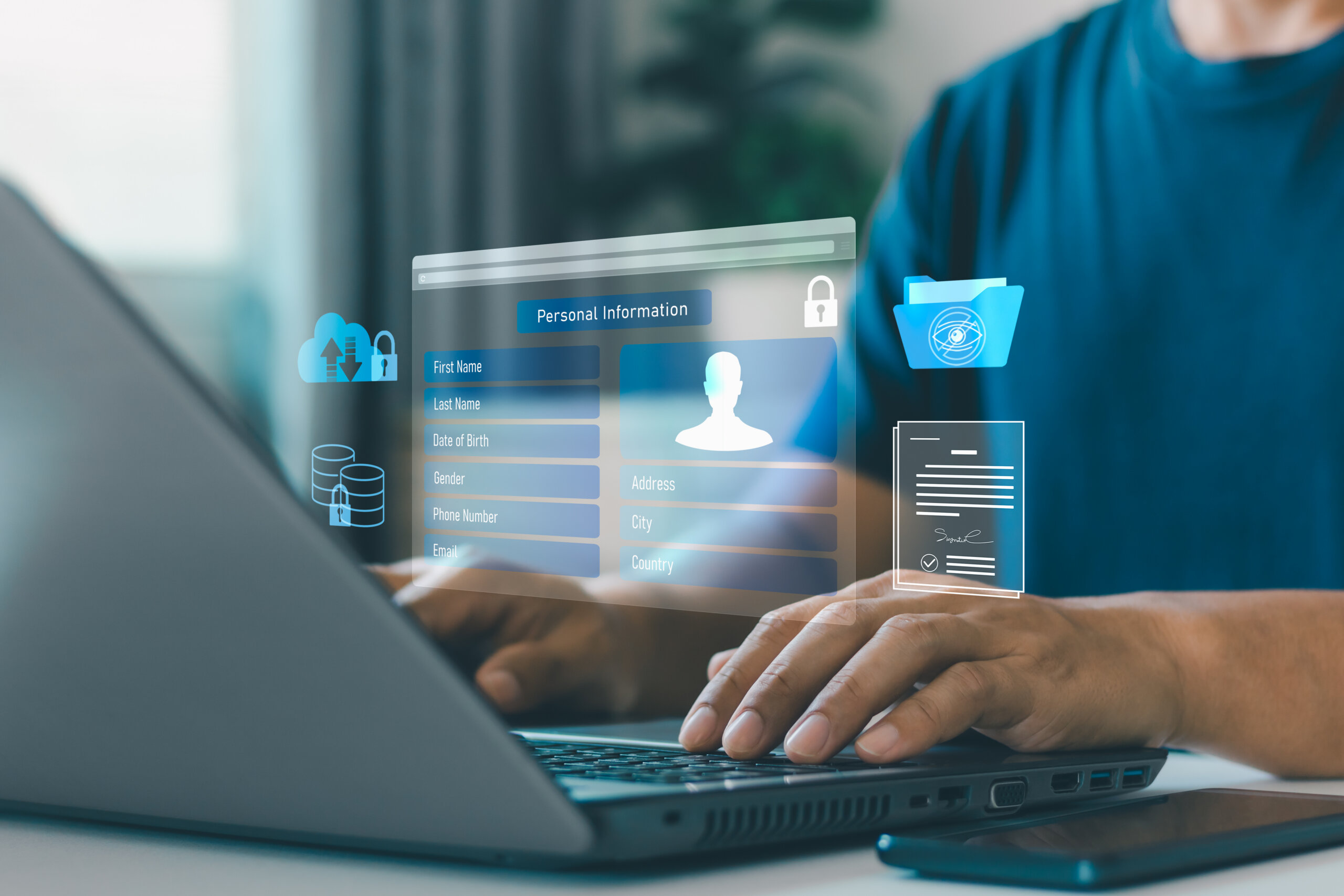
Every time you create an account, download an app, or make an online purchase, you trust organizations to collect and safeguard your personal information.
While many legitimate companies prioritize security and compliance, no system is risk-free. Data exposure can stem not only from external attacks, but also from how information is collected, shared, or overlooked.
Protecting your information starts with awareness. Even small habits, like reusing passwords or ignoring privacy settings, can create real vulnerabilities over time. Taking a proactive, informed approach to data privacy can significantly reduce your risk of identity theft, fraud, and unauthorized access.
Understanding how your data is used and how to control it puts you in a stronger position to stay secure.
What Is Personal Information?
Personal information, or personal data, is any detail that can identify you, directly or indirectly. This includes:
- Name, email address, and phone numbers
- Financial information and login credentials
- Location data and browsing behavior.
Organizations use this data to deliver services and personalization, but it also carries risk if not properly protected.
Why Protecting Your Data Matters
Your personal Information is valuable. If compromised, it can lead to:
- Identity theft
- Financial fraud
- Unauthorized account access
- Targeted phishing attacks
- Loss of privacy and control
Even trusted organizations can experience data breaches, which is why taking your own precautions is essential.
Smart Ways to Protect Your Personal Information
Here are five simple ways to strengthen your data security without disrupting your routine:
1. Limit What You Share
Only provide the information necessary to complete a transaction or service. The more data you share, the greater your exposure if a breach occurs.
2. Strengthen Your Account Security
Use strong, unique passwords for every account. Enable multi-factor authentication (MFA) whenever possible to add an extra layer of protection.
2. Review Privacy Settings
Privacy policies provide valuable insight into how your data is collected and used. Many companies also offer customizable privacy settings that allow you to control your experience.
Adjust them to:
- Limit data sharing with third parties
- Reduce targeted advertising
- Manage app permissions and location tracking
Check these settings regularly to keep them aligned with your preferences.
4. Stay Alert to Phishing and Impersonation Attempts
Phishing emails, messages, or fake websites can closely mimic legitimate organizations to trick you into revealing sensitive information. Be cautious with unexpected emails, links, or requests for sensitive information.
Always verify the source before clicking on links or providing details. When in doubt, go directly to the company’s website or contact them through official channels.
Awareness is one of your strong defenses against these types of attacks.
5. Regularly Monitor and Update Your Information
Protecting your data requires ongoing attention. Regularly review your accounts for unusual activity, such as unexpected logins or transactions.
Delete unused accounts, remove outdated payment details, and update old passwords to reduce your digital footprint.
Staying proactive gives you more control over where your information exists and how it’s used.
Additional Ways to Stay Protected
Beyond the core strategies, a few additional habits can further improve your security:
- Keep your devices updated with the latest software and security patches, as outdated systems are more vulnerable to attacks.
- Avoid accessing sensitive accounts on public Wi-Fi networks unless you are using a secure connection such as a VPN.
- Stay informed about major data breaches, which can help you act quickly if your information is involved.
Take Control of Your Data
Protecting your personal information is an ongoing effort that combines awareness, smart habits, and the right tools. While companies continue to improve their security practices, your actions play a critical role in minimizing risks.
By being intentional about what you share, strengthening your account security, and staying informed, you can significantly reduce your risk and maintain greater control over your digital identity.
Your personal information deserves the highest level of protection. Taking small steps now can prevent major issues later.
Stay protected and stay secure.