- Services
- Products
-
-
- Online Training
- Information Security Awareness Training Course
- PCI DSS Compliance Bundle
- GLBA Awareness Training Course
- CMMC Training Course
- HIPAA Awareness Training Course
- Data Privacy Training Course
- Payments Security Training Course
- Phishing Awareness Training Course
- GDPR Training Course
- FERPA Training Course
- FACTA Training Course
- Online Training
-
- Compliance
- Markets
- Insights
- About
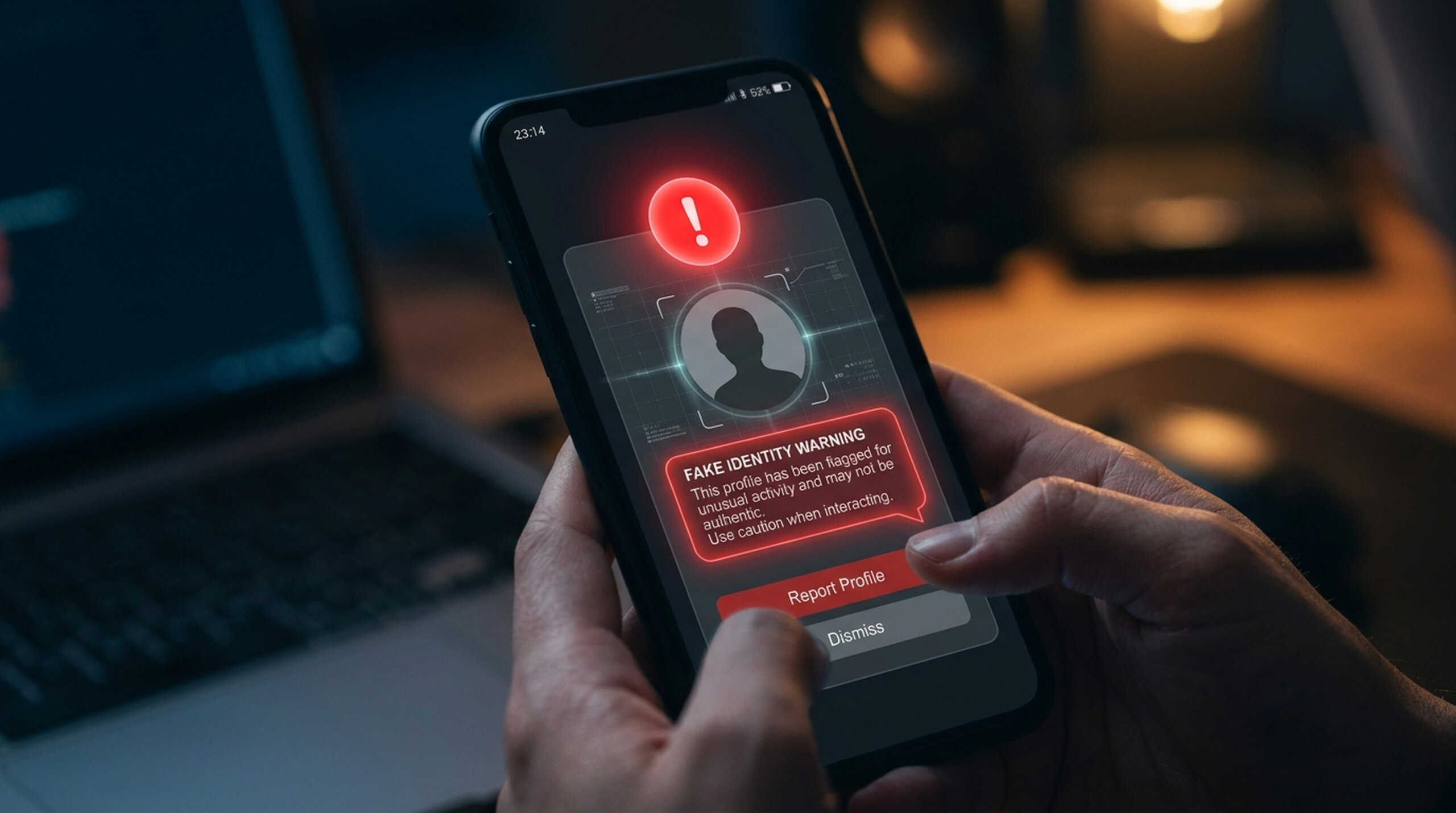
Social media has reshaped how organizations and individuals communicate, supporting everything from customer engagement to internal collaboration. This increased connectivity has also opened the door to new opportunities for cybercriminals.
One of the fastest-growing social engineering attacks targeting organizations and individuals today is social media impersonation fraud.
Social media fraud occurs when cybercriminals create fake accounts or impersonate trusted individuals, organizations, or brands on social media platforms to deceive victims into sharing sensitive information, transferring money, or granting unauthorized access.
Understanding how impersonation on social media works and why these attacks are so effective is essential for reducing risk.
What Is Social Media Impersonation Fraud?
Impersonation fraud is a type of social engineering attack where bad actors pose as a trusted person, organization, or authority figure to deceive victims. The goal is typically to:
- Steal sensitive information
- Gain access to accounts or systems
- Trick individuals into sending money
- Manipulate organizational processes
Unlike traditional cyberattacks, fraud impersonation relies less on technical vulnerabilities and more on human trust and behavior.
The Rise of Social Media Impersonation Scams
Recent data highlights the scale and urgency of this issue. According to Federal Trade Commission (FTC) data reported in 2026, impersonation scams resulted in $3.5 billion in losses in 2025, making them the most reported type of fraud.
Even more concerning, social media has become the leading attack channel:
- Over $2.1 billion in losses were linked to social media platforms.
- Losses from social channels have increased eightfold since 2020.
- Nearly one-third of victims were first contacted through social media.
Why Social Media Enables Impersonation Fraud
1. Built-in trust and familiarity
Social platforms are designed for connection and visibility. Users frequently interact with:
- Recognizable brands
- Colleagues and peers
- Institutional accounts
This environment creates an assumption of legitimacy, making it easier for attackers to impersonate trusted entities without raising immediate suspicion.
2. Easy Access to Personal and Organizational Information
Attackers use publicly available data to build convincing fake identities, including:
- Job roles and departments
- Social connections and networks
- Events, activities, and affiliations
Information can be gathered from LinkedIn, Facebook, company websites, press releases, and organizational charts that identify key employees, executive leaders, new hires, etc. This allows fraudsters to craft highly targeted and believable impersonation attempts, increasing success rates.
3. Informal Communication Channels
Social media communication is often quick, casual, and unstructured.
In these environments:
- Urgent requests feel normal
- Verification steps are often skipped
- Messages may not follow formal process
This makes it easier for attackers to apply pressure and create a sense of urgency.
4. Direct Messaging as a Primary Attack Vector
Social media platforms provide private communication channels that are difficult to monitor on a scale.
Many impersonation scams now begin through:
- Direct messages
- Private chats
- Comment responses that move to private conversations
Rather than immediately asking for money or credentials, attackers will try to connect with employees, like social media posts, comment on updates, and engage in casual conversation to build a personal relationship and credibility first. This shift has made social media one of the most effective entry points for fraud.
Common Types of Social Media Impersonation Scams
Financial Institution Impersonation
Attackers impersonate banks or financial services, urging users to “secure” their accounts, often leading to fraudulent transfers.
Business and Executive Impersonation
Fraudsters mimic internal personnel, such as executives or managers, requesting:
- Urgent payments or wire transfers
- Gift cards
- Confidential information
Government Impersonation Scams
Scammers impersonate agencies, using authority and fear to pressure victims into immediate action. These scams accounted for hundreds of millions of losses in 2025.
Brand and Customer Support Scams
Fake accounts impersonate legitimate brands, responding to user inquiries, and redirecting them to fraudulent channels.
How Social Media Impersonation Affects Organizations
Impersonation fraud is not just an individual problem; it affects entire organizations.
Financial Risk
Organizations may experience direct financial loss or fraudulent transactions initiated through social engineering.
Security and Access Risks
Compromised credentials or manipulated users can lead to:
- Unauthorized system access
- Data exposure
- Operational disruptions
Even if credentials are not obtained, attackers can gain intelligence that may help them launch spear phishing campaigns or business email compromise attacks in the future.
Reputational Damage
If attackers impersonate an organization successfully, it can erode trust among:
- Customers
- Students and staff
- Partners and stakeholders
Compliance and Governance Challenges
Impersonation attacks can expose gaps in:
- Identity verification processes
- Security awareness training
- Communication policies
These gaps may increase regulatory and audit risks.
How to Prevent Social Media Impersonation Fraud
A strong defense requires a holistic approach that combines awareness, process, and technology.
1. Verify All Requests
Always confirm the legitimacy of:
- Payment requests
- Account-related messages
- Requests for sensitive information
Use official channels, not those provided within the message. Employees should watch for warning signs and be suspicious if a social media profile was recently created, but claims a long employment history, or if the profile has only a few connections and limited activity.
2. Limit Publicly Shared Information
Reduce the amount of sensitive or identifying information available online, including:
- Organizational details
- Access processes
- Internal structures
Your organization may also want to actively monitor any fake social media accounts that reference the organization and unauthorized use of logos or branding.
3. Use Strong Authentication Controls
Implement security measures such as:
- Multi-factor authentication (MFA)
- Strong password policies
- Least privilege, giving users only the minimum access needed to do their job
These controls help protect accounts even if credentials are compromised.
4. Strengthen Security Awareness
Educating users is one of the most effective ways to reduce risk. Focus on:
- Recognizing impersonation tactics
- Identifying suspicious messages
- Following identity verification procedures
- Reporting potential fraud quickly
5. Establish Clear Communication Policies
Organizations should define:
- Approved communication methods
- Verification procedures for sensitive actions
- Escalation paths for suspicious requests
The Future of Social Media Impersonation
As digital communication continues to evolve, so will impersonation tactics. Social media platforms will remain a primary target due to their scale, accessibility, and reliance on trust.
The key challenge moving forward is not just improving technical defenses but strengthening how individuals interpret and respond to digital interactions. Impersonation fraud highlights a shift in today’s cybersecurity landscape: the greatest vulnerabilities are often human, not technical.
By understanding how social media enables these scams and adopting proactive security practices, organizations can reduce risk, protect users, and maintain trust. In a world where anyone can appear legitimate online, verification, awareness, and strong security practices are essential defenses against impersonation fraud.
FAQs About Social Media Impersonation Fraud
How do impersonation scams work on social media?
Impersonation scams typically begin with a fake profile or direct message that appears to come from a legitimate source, such as a company, executive, government agency, or friend. Attackers often use urgency or trust to convince victims to reveal personal information, make payments, or grant access to accounts.
How can organizations prevent social media impersonation?
Organizations can reduce the risk of social media impersonation by implementing multi-factor authentication (MFA), educating employees about social engineering tactics, verifying sensitive requests through trusted communication channels, monitoring for fake accounts, and establishing clear security and communication policies.
How do you report impersonation on social media?
Most social media platforms allow users to report fake or impersonating accounts through their reporting tools. Organizations should also notify affected employees or customers, document the incident, and work with the platform to remove fraudulent accounts as quickly as possible.